






















By Dr. Melinda Bossenmeyer, founder of Peaceful Playgrounds.
Recess is not extra time. It is an essential time. Research shows that play improves focus, strengthens social skills, supports emotional well-being, and contributes to better classroom behavior. When schools protect daily recess, students return ready to learn and succeed. Here are 10+ reasons why recess is an important part of the school day.
1. A Necessary Cognitive Reset
Recess is important because it serves as a necessary break from the rigors of concentrated, academic challenges in the classroom. It also offers cognitive, social, emotional, and physical benefits that may not be fully appreciated when a decision is made to diminish it (Pediatrics, Dec. 31, 2012). In my 28 years of observation, I’ve seen that children return to class with renewed focus after even a short period of unstructured play.
2. Increased Attentiveness
Several studies demonstrate that recess, whether performed indoors or outdoors, made children more attentive and more productive in the classroom (Jarrett, 1998). Studies continue to indicate that children are more attentive and productive following recess. It’s not just “downtime”; it’s “recharge time” for the brain.
3. Optimal Processing Power
Morning outdoor breaks contribute to optimal cognitive processing and a break from academic instruction when interspersed between academic blocks of instruction required by the concentrated instruction (Pellegrino, 2005). To process concentrated instruction, the brain requires breaks. Interspersing academic blocks with play ensures students don’t reach a “cognitive overload” point.
4. Real World Social Practice
Children gain the opportunity to practice social skills and role-play with peers (NAECS-SDE, 2011). Recess is a unique lab for social skills. It is one of the few times children interact with peers under less rigorous supervision, allowing them to practice role-playing and peer-to-peer communication.
5. Mastery of Negotiation
Through play at recess, children learn valuable communication skills, including negotiation, cooperation, sharing, problem-solving, and coping skills, such as perseverance and self-control (National Association of Sport and Physical Education, 2004). Whether it’s deciding who goes first in four square or how to share limited equipment, recess forces students to learn the art of negotiation and compromise, skills they will use for the rest of their lives.
6. Stress Management & Resiliency
Recess is important because it also offers a child a necessary and socially structured means for managing stress by adapting and adjusting to the complex school environment (Bjorklund et. al., 1998). The complex school environment can be high stress. Organized play provides a socially safe means for children to adapt and decompress, reducing overall anxiety levels.
7. Fostering Independence
Recess allows a student time to rest, play, imagine, think, move, and socialize. It can encourage creativity and problem-solving (Sibley et. al., 2003). When students dictate their own activities, they build self confidence and problem solving skills. This “independent learning” is a key predictor of long-term academic success.
8. Physical Well Being
The benefits of physical activity and fitness made available at play time contribute to a child’s overall health and well-being (Robert Wood Johnson Foundation, 2011). Recess provides a significant portion of the CDC-recommended 60 minutes of daily physical activity. It is a critical tool for fighting sedentary behaviors and promoting lifelong health.
9. Exercise
Recess contributes to the recommended 60 minutes per day of physical activity for children, which helps in reducing sedentary behaviors with TV, computers, and video games (Centers for Disease Control and Prevention, 2010).
10. A Right, Not a Privilege
The American Academy of Pediatrics believes that “recess is a crucial and necessary component of a child’s development and, as such, it should not be withheld for punitive or academic reasons.” In the modern 2026 school climate, it should never be withheld for punitive or academic reasons.
11. Vital Exposure to Nature & Sunlight
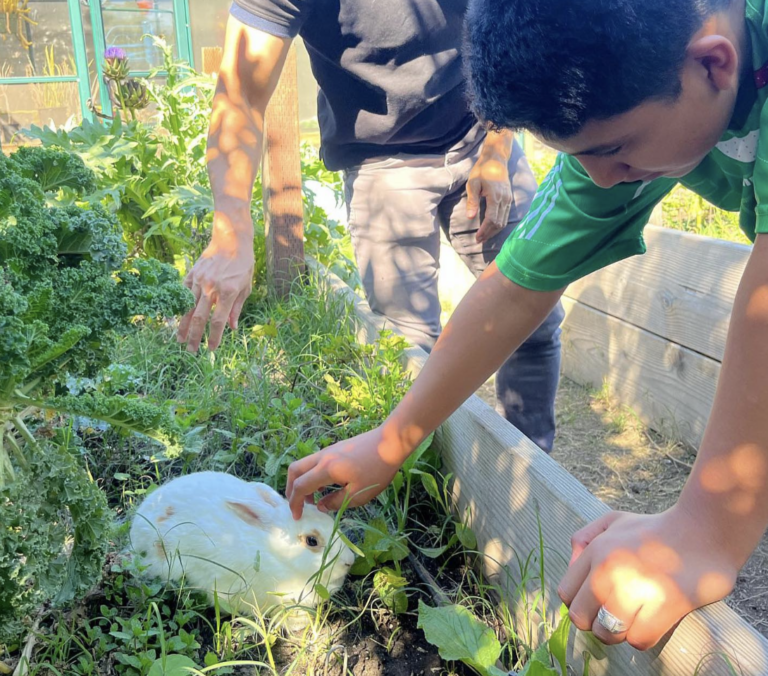
Access to outdoor spaces provides essential Vitamin D and exposure to natural environments, which recent 2026 studies link directly to improved mood and brain development.
Melinda Bossenmeyer, Ed.D., is a former teacher, principal and county administrator and founder of Peaceful Playgrounds. She is an expert witness for school supervision, playground injury cases, physical education, and coaching cases related to supervision. Reprinted with permission. © Peaceful Playgrounds 1998 All Rights Reserved.
References
Bjorklund, D.F. & Brown, R. (1998) “Physical play and cognitive development: integrating activity, cognition, and education.” Child Development.
Centers for Disease Control and Prevention (2010) Education and Community-Based Programs. Healthy People.
Jarrett, O. J. (1998) “Impact of recess on classroom behavior: Group effects and individual differences.” Education Research.
NAECS-SDE (National Association of Early Childhood Specialist in State Departments of Education) (2011). American Education Research Journal. “The Importance of Play.”
National Association of Sport and Physical Education. (2004) Physical Activity for Children.
Pellegrino, A.D. (2005) “Recess: Its Role in Education Development.”
Robert Wood Johnson Foundation. (2011) Recess Rules.
Sibley B. & Etnier, J. (2003) “The relationship between physical activity and cognition in children.” Pediatrics Exercise Science.